What is an Airport Fence and Why is it Important?
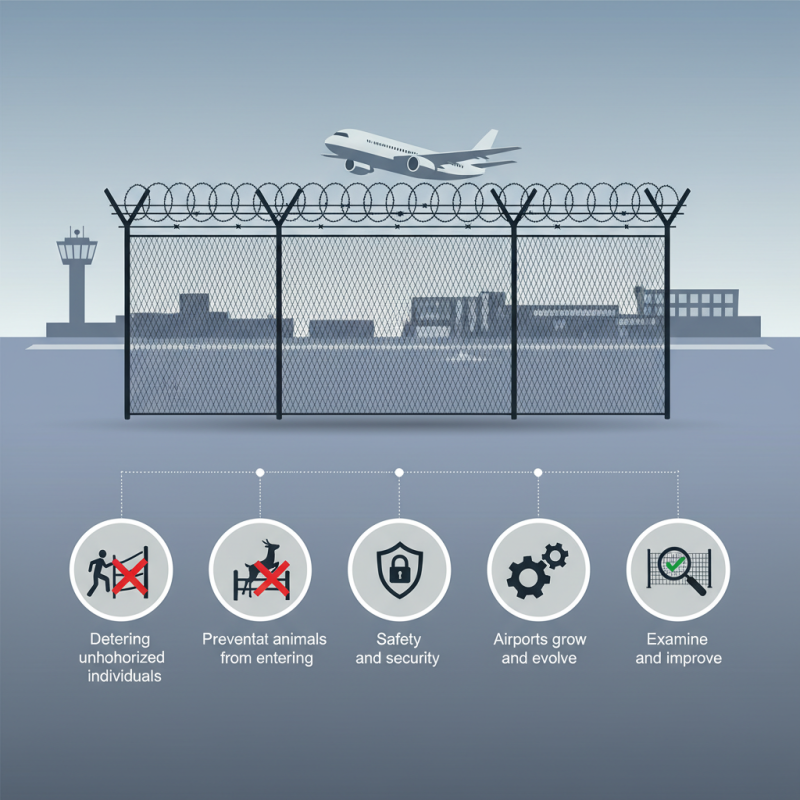
An airport fence serves as a critical barrier between air travel and the outside world. This enclosure is more than just a physical boundary; it plays a vital role in ensuring both safety and security. We often take it for granted, yet it protects passengers and aircraft alike.
The significance of an airport fence extends beyond preventing animals from entering runways. It deters unauthorized individuals from accessing sensitive areas. With heightened global security concerns, the effectiveness of these fences must continually be questioned. Are they tall enough? Are they regularly maintained?
Moreover, the design and materials used matter a lot. Some fences are simply inadequate due to wear and tear. As airports grow and evolve, their security measures must adapt as well. An outdated airport fence can present a risk. In essence, it is crucial to examine not only the existing fences but also to reflect on how they can be improved in the future.
What is an Airport Fence? Overview of Its Design and Structure
An airport fence serves as a crucial barrier that separates the airport from the surrounding areas. Its design often includes high, robust materials to deter unauthorized access. Typically, these fences are made of chain link or welded wire mesh, standing at least eight feet tall. This height prevents animals and people from entering restricted zones.
The structure of an airport fence can vary, but it often has barbed wire or razor wire at the top. This added layer enhances security. Lighting systems may be integrated alongside, providing visibility during nighttime. While these features are intended to bolster safety, they can sometimes show weaknesses. For instance, damaged sections may create vulnerabilities. Regular maintenance is essential to ensure that the fence remains effective.
Moreover, the aesthetic aspect of the fence can be a topic for discussion. Some find airport fences unsightly, as they can disrupt views or local landscapes. Airports must balance security needs with environmental concerns. Over time, the challenge lies in improving security while being mindful of the community's perspective.
Types of Airport Fencing: A Comparison of Material and Functionality
Airport fencing plays a critical role in security. It prevents unauthorized access and protects aircraft. There are different materials used for airport fencing. Each type has its distinct advantages and downsides.
Chain-link fencing is common. It is cost-effective and easy to install. However, its visibility can be a weakness. An intruder might easily see through it. This can lead to potential security threats. On the other hand, barbed wire offers a more formidable barrier. It is much harder to breach. Yet, it might pose risks to wildlife and inadvertent human intrusions.
Another option is solid wall fencing. This type provides excellent security. It blocks visibility and noise. But, it can be expensive and may restrict airflow. Airports consider both functionality and aesthetic appeal when selecting fencing. The balance is not always easy to achieve. It requires careful planning and ongoing evaluation. Each choice reflects both safety measures and operational needs.
The Role of Airport Fences in Security: Statistical Analysis of Incidents
Airport fences serve as a critical line of defense for aviation security. They are designed to restrict unauthorized access to airfields. These physical barriers help protect passengers and aircraft from potential threats. Intrusions into secure areas can lead to dangerous situations. A statistical analysis indicates that breaches often result in increased scrutiny of airport security measures.
Data shows that incidents involving breaches have been rising. Some airports report multiple notifications of fence breaches each year. While the design and maintenance of fences are essential, there are gaps in monitoring. Security personnel cannot be everywhere at once, leading to unmonitored sections. This reality raises concerns about response times during incidents.
Recent studies have highlighted the importance of technology. Integrating cameras and sensors can enhance fence security. Yet, reliance on technology isn't foolproof. Natural elements and human error can still create vulnerabilities. Continuous evaluation and improvement are crucial in ensuring the effectiveness of airport fences. A secure airport requires ongoing commitment and adaptation to emerging threats.
Regulatory Standards for Airport Fencing: Key Guidelines and Compliance
An airport fence is a critical security feature. It defines the boundaries of the airport and protects against unauthorized access. Regulatory standards for airport fencing are essential. These standards help ensure safety and compliance with aviation regulations.
According to the Transportation Security Administration (TSA), airports must comply with specific fencing guidelines. For instance, a standard height of at least 8 feet is often mandated. This height deters most intruders and enhances security. In addition, materials used for fencing should resist tampering. Chain-link fences are common, but not always the best choice due to vulnerabilities.
Moreover, there is a growing need to evaluate these standards regularly. Incidents at airports highlight the need for improved technology, such as surveillance systems and alarms. A 2021 report by the International Airport Council noted that nearly 40% of airports struggle with outdated security measures. As airport operations evolve, so must the regulatory standards for fencing. Continuous improvement is needed to effectively protect sensitive areas of airfields.
Future Trends in Airport Fencing: Innovations and Technological Advances
Airport fencing plays a crucial role in maintaining security and safety. Innovations in this field are rapidly emerging. The use of smart fencing technology is gaining traction. This includes sensors and alarms that detect unauthorized access. Surveillance cameras are integrated into these systems. They provide real-time monitoring of airport perimeters.
Drone technology is also transforming airport fencing. Drones can quickly survey large areas. They can identify potential breaches or issues. However, challenges remain in their deployment. Weather conditions and regulations may limit their effectiveness. Additionally, the cost of advanced systems can be prohibitive for some airports.
Another trend involves the use of sustainable materials. Fencing made from recycled content is becoming popular. It reduces the environmental impact of airport operations. However, concerns about durability need to be addressed. Security must not be compromised for the sake of sustainability. Balancing innovation with practicality is essential. Airports must critically evaluate new technologies, ensuring they serve their intended purpose.
What is an Airport Fence and Why is it Important? - Future Trends in Airport Fencing: Innovations and Technological Advances
| Feature | Importance | Innovations | Future Trends |
| Height | Prevents unauthorized access | Use of smart height sensors | Increased standard height regulations |
| Material | Durability against environmental effects | Composite materials for strength | Adoption of eco-friendly materials |
| Surveillance Integration | Enhances security monitoring | High-resolution motion sensors | AI-driven surveillance analytics |
| Access Control | Regulates entry to secure areas | Biometric authentication systems | Seamless integration with smart systems |
| Overall Design | Aesthetic alignment with airport architecture | Modular, customizable designs | Focus on user experience and design |