The Best Cast Iron Stove Options for Your Home?
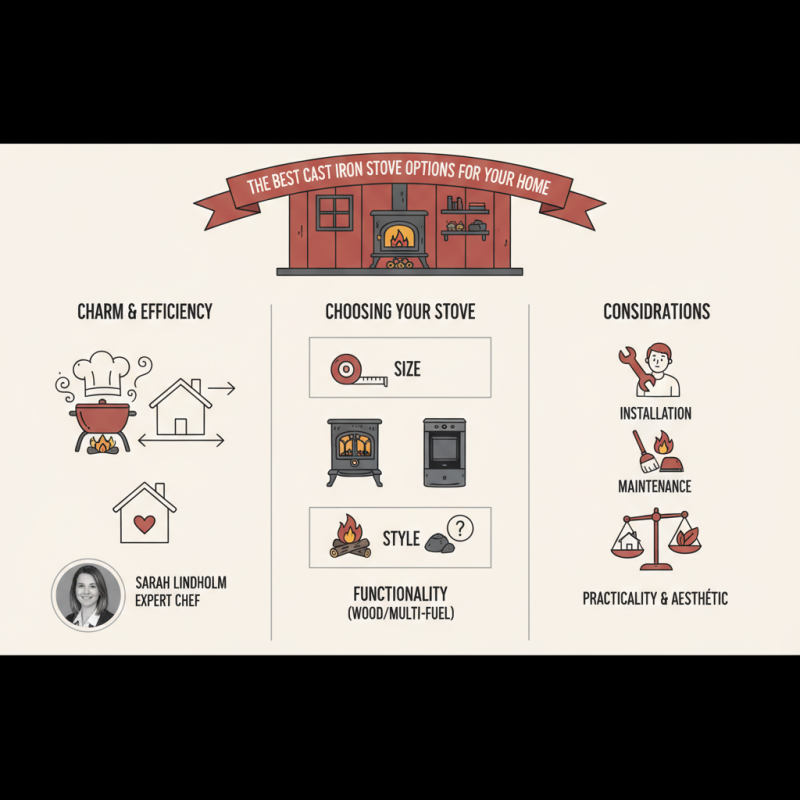
When it comes to heating your home, few options can rival the charm and efficiency of a cast iron stove. Expert chef and home heating advocate, Sarah Lindholm, states, "A cast iron stove not only warms your space but creates a culinary experience." This dual purpose makes cast iron stoves a unique choice for many households. Their timeless design complements various interior styles while also providing reliable warmth and cooking capabilities.
Choosing the best cast iron stove requires careful consideration. With a wide array of models available, it can be overwhelming. Homeowners must evaluate size, style, and functionality to find the perfect fit. Different stoves come with varying features that cater to specific needs, from traditional to modern designs. Are you looking for a traditional wood-burning stove or a more contemporary, multi-fuel option? Each choice influences efficiency and heating capacity.
While the allure of a cast iron stove is undeniable, potential buyers should reflect on their specific needs. Some might find installation challenging, while others may have concerns about maintenance. The journey to finding the ideal stove is not always straightforward. Emphasizing practicality along with aesthetic appeal is crucial for a satisfying choice. Understanding these nuances can enhance your experience with a cast iron stove, ensuring it becomes a beloved fixture in your home.
Factors to Consider When Choosing a Cast Iron Stove for Your Home
When choosing a cast iron stove for your home, various factors come into play. The size of your space is crucial. A larger area may require a bigger stove to ensure efficient heating. Think about the stove’s heat output, measured in BTUs. It needs to match your room size. Too small, and it won’t warm effectively. Too large, and it could overheat the space.
Design and style are also important. You want a stove that fits seamlessly with your home decor. Traditional models offer a classic look. However, modern designs can add a contemporary twist. Check the materials and finish. Quality construction ensures durability. Look for stoves with easy-to-clean surfaces to simplify maintenance.
Don’t forget about installation. Some models may require professional setup. This can add to the overall cost. Consider your budget carefully. Keep in mind that cheaper options might compromise on efficiency and longevity. Sometimes, it’s worth investing more upfront for better performance over time. Choosing the right stove can feel overwhelming. Careful reflection on your family's needs will guide you.
The Best Cast Iron Stove Options for Your Home
This chart represents the average efficiency ratings of different types of cast iron stoves based on customer reviews. These ratings are key factors to consider when choosing the best cast iron stove for your home.
Types of Cast Iron Stoves: Traditional vs. Modern Designs
When choosing a cast iron stove, understanding the differences between traditional and modern designs is essential. Traditional stoves often feature intricate patterns and timeless aesthetics. They evoke a sense of nostalgia, appealing to those who appreciate classic craftsmanship. According to a recent industry report, traditional stoves can retain heat for long periods, which is a significant benefit for energy savings.
In contrast, modern designs focus on sleek aesthetics and functionality. They often incorporate advanced features, such as automated temperature controls and efficient combustion technology. This makes them attractive to homeowners seeking convenience. A study from the National Association of Home Builders indicates that modern stoves can increase home value due to their innovative designs, reflecting contemporary tastes.
Tips: Consider your home’s style before making a decision. A traditional stove may clash with a minimalist decor. On the other hand, modern designs might not fit a rustic setting. Balance is key. Ensure that the stove not only fits your aesthetic but also meets your heating needs. It's worth reflecting on how often you'll use it. A stove that's rarely fired up may not justify its cost.
The Best Cast Iron Stove Options for Your Home? - Types of Cast Iron Stoves: Traditional vs. Modern Designs
| Stove Type | Fuel Type | Heating Capacity (BTU) | Design Style | Average Price ($) |
| Traditional Cast Iron Stove | Wood | 30,000 | Classic Victorian | 850 |
| Modern Cast Iron Stove | Pellet | 40,000 | Contemporary | 1,200 |
| Multi-Fuel Stove | Wood & Coal | 45,000 | Rustic | 950 |
| Gas Cast Iron Stove | Natural Gas | 35,000 | Industrial | 1,100 |
| Compact Cast Iron Stove | Electric | 20,000 | Minimalist | 700 |
Benefits of Using Cast Iron Stoves for Home Heating and Cooking
Cast iron stoves have long been valued for their durability and efficient heat retention. When you light a fire, the stove absorbs heat and radiates it slowly. This means your home stays warm for hours, even after the fire has died down. Many people enjoy the cozy atmosphere created by the soft glow of the flames. It adds a unique charm to any kitchen or living room.
Beyond warmth, cast iron stoves are excellent for cooking. They offer consistent heat, perfect for baking bread or simmering soups. You can place heavy pots directly on the surface, and they won’t budge. Some cooks appreciate how food develops deep flavors when cooked in cast iron. However, they can take time to learn. The weight might be intimidating, and the maintenance requires attention. Regular seasoning is necessary to prevent rust and keep it functional.
Consider the aesthetics. Cast iron stoves come in various designs. Some are rustic, while others have a modern twist. This can enrich your home’s character. But, they can be pricey and may need a designated space. You might find that the initial investment is challenging. It’s essential to weigh the benefits against your budget and lifestyle.
Top Brands and Models of Cast Iron Stoves for Different Needs
When considering the perfect cast iron stove for your home, it's essential to assess your specific needs. Some models excel in heating efficiency, helping you save on energy bills. Others prioritize aesthetics, adding charm to your living space. Imagine a cozy evening by the fire, with a stove that not only warms but also complements your décor.
Different styles cater to various preferences. Some stoves are compact, ideal for small spaces. Others are robust, designed for larger rooms. It’s important to choose a model that fits your home layout. Think about the color and finish that will enhance your interiors. A well-chosen stove can become a focal point in your room.
Functionality can't be overlooked. Some stoves have multiple cooking surfaces, while others focus solely on heating. Transitioning between the two can be a hassle. Try to envision how often you plan to use the stove for cooking versus heating. Every detail matters—from how easily it ignites to how long it retains heat. Finding the right balance may take time, but it will be worth the effort.
Maintenance Tips for Long-lasting Performance of Cast Iron Stoves
Cast iron stoves are known for their durability and heat retention. However, proper maintenance is essential for long-lasting performance. Regular cleaning is crucial. Residue can build up and hinder efficiency. Use warm, soapy water and a stiff brush to remove grime. Avoid using harsh chemicals as they can damage the finish.
Inspect your stove periodically for cracks and rust. According to industry reports, nearly 20% of stoves experience premature wear due to neglect. If rust appears, address it promptly. Sand the affected area and apply a thin layer of vegetable oil. This method promotes a protective layer.
Seasoning your cast iron stove adds a layer of protection against rust. A study indicates that well-seasoned stoves can last up to 50% longer. Apply oil after each cleaning and heat the stove to create a non-stick surface. Yet, achieving the perfect seasoning can take time and practice. Consistency is key, and occasional setbacks are normal. A well-maintained stove not only enhances your cooking experience but also preserves its beauty and functionality for years.