How to Choose the Best Phone Testing Equipment for Accurate Results
In the ever-evolving landscape of mobile technology, ensuring that devices perform optimally is of paramount importance. This is where effective phone testing equipment comes into play. The reliability of a smartphone is not only determined by its hardware specifications but also by how well it can withstand real-world usage scenarios. With a plethora of testing tools available in the market, selecting the best phone testing equipment is crucial for developers, manufacturers, and quality assurance teams looking to achieve accurate results.
When choosing phone testing equipment, one must consider various factors that contribute to effective testing outcomes. These include the type of tests required, compatibility with different device models, and the precision of the measurements. Additionally, understanding the specific functionalities needed for testing, such as performance metrics, battery duration, and network connectivity, can significantly enhance the efficiency of the testing process. By carefully evaluating these aspects, stakeholders can ensure that their chosen equipment not only meets their testing needs but also contributes to the overall quality and reliability of the devices in the market.
Understanding the Importance of Phone Testing Equipment
When it comes to ensuring the quality and performance of mobile phones, the importance of proper testing equipment cannot be overstated. Effective phone testing equipment allows manufacturers and developers to assess various parameters such as hardware functionality, software performance, and user experience. Accurate results from testing can lead to improved products and higher customer satisfaction, which is essential in today’s competitive market.
To choose the best phone testing equipment, consider the specific testing requirements of your project. Are you focused on battery performance, audio quality, or connectivity issues? Each aspect of a phone requires different tools for precise evaluation. Engage with industry experts to identify the most suitable equipment that meets your needs efficiently.
Tips: Invest in high-quality testing tools that provide detailed reporting and analytics. This feature not only streamlines the testing process but also enhances the reliability of your results. Additionally, keep an eye on emerging technologies that might offer better testing capabilities, as staying updated can significantly improve your phone testing strategies. Lastly, ensure that your team is well-trained in using the chosen equipment to maximize its effectiveness and minimize errors during the testing process.
Key Features to Look for in Phone Testing Devices
When selecting phone testing equipment, it's essential to consider several key features that can greatly impact the accuracy and reliability of your testing results. First and foremost, the device should offer a comprehensive range of testing capabilities, including functionality tests, performance benchmarks, and compatibility assessments across different networks and operating systems. This versatility allows for thorough evaluations, ensuring that any potential issues with the phone can be identified early in the testing process.
Another critical feature to look for is user-friendly software that provides intuitive interfaces and detailed reporting functionalities. A well-designed software package can streamline the testing process, making it easier to configure tests, collect data, and analyze results. Additionally, look for devices equipped with automated features that can reduce the time spent on manual testing, thus enhancing efficiency and productivity. Finally, consider the reliability and durability of the equipment itself, as testing devices that can withstand rigorous usage are crucial for maintaining consistent performance over time.
How to Choose the Best Phone Testing Equipment for Accurate Results - Key Features to Look for in Phone Testing Devices
| Feature |
Description |
Importance Level |
Example Value |
| Testing Range |
The variety of phone models and types that the equipment can test. |
High |
Supports up to 100+ models |
| Testing Speed |
The time taken to complete a full test cycle. |
Medium |
Under 5 minutes |
| User Interface |
Ease of navigation and the quality of the graphical display. |
High |
Touchscreen interface |
| Data Reporting |
Detailed reporting capabilities for test results. |
High |
PDF and Excel export options |
| Durability |
The build quality and life expectancy of the equipment. |
Medium |
Shock-resistant design |
Types of Phone Testing Equipment and Their Uses
When selecting phone testing equipment, it's essential to understand the various types available and their specific applications. One common category is functional testers, which assess the phone's overall performance by simulating real-world use cases. These testers can evaluate features such as call quality, touch response, and battery life. By running multiple tests, they ensure that the device operates smoothly and meets the expected standards.
Another important type of equipment is network analyzers, which focus on measuring connectivity and signal strength. These devices can help identify issues related to network compatibility and performance, ensuring that the phone can maintain a strong connection under different conditions. Additionally, diagnostic tools fall under this category, allowing technicians to identify faults in hardware and software, leading to quicker resolutions for any identified issues. By understanding these types of phone testing equipment, you can make informed choices that enhance the reliability and performance of mobile devices.
Phone Testing Equipment Usage Comparison
How to Evaluate the Accuracy of Testing Equipment
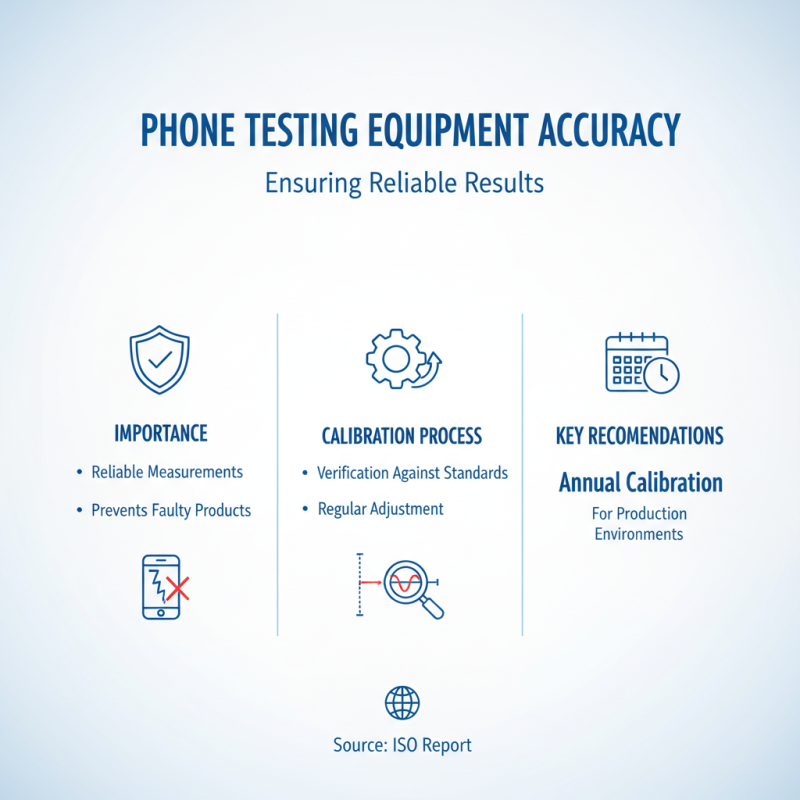
When selecting phone testing equipment, the accuracy of the devices is paramount to ensure reliable results. According to a report by the International Organization for Standards (ISO), accuracy in testing equipment is assessed through calibration, which implies that devices must be regularly verified against established standards. Calibration frequency can significantly impact the quality of results; the ISO recommends at least annual calibrations for equipment used in production environments. For instance, if a testing apparatus is not calibrated, it can lead to discrepancies in measurements, resulting in faulty products reaching consumers, which can be costly for manufacturers in terms of both finances and reputation.
Moreover, industry benchmarks suggest evaluating the accuracy of testing equipment through metrics such as precision, reproducibility, and measurement uncertainty. The Control Systems Simulation (CSS) metrics indicate that the acceptable level of measurement uncertainty for electronic devices generally ranges between 5% to 10%, depending on the complexity of the tests being conducted. By implementing such rigorous standards, organizations can ensure their testing protocols yield accurate and dependable results. Thorough documentation and internal audits further fortify the accuracy assessment process, helping identify and rectify potential sources of error prior to product launch.
Budget Considerations When Selecting Phone Testing Tools
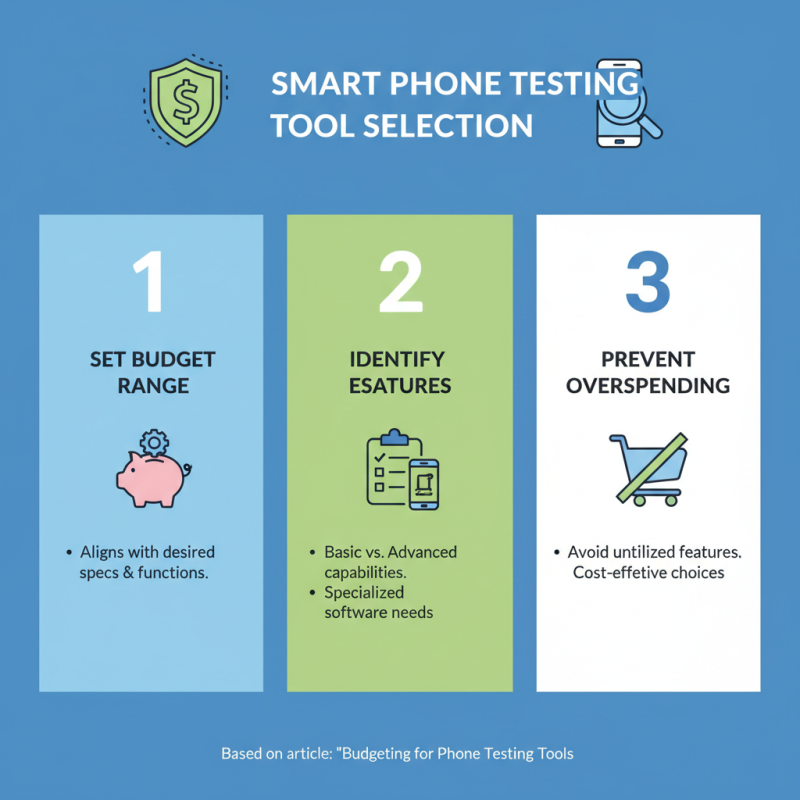
When selecting phone testing tools, budget considerations play a crucial role in ensuring that organizations obtain the most suitable equipment without overspending. The first step is to establish a clear budget range that aligns with the desired specifications and functionalities of the testing equipment. It's important to identify what features are essential for the testing process. For example, consider whether advanced testing capabilities or specialized software are necessary or if basic functionalities will suffice. This initial assessment helps prevent overspending on features that may not be utilized.
Next, it is beneficial to explore various options within the set budget. This involves comparing costs and features across different vendors, looking for any quality indications or user feedback that can help assess the value of each tool. While lower-priced options may seem appealing, it's vital to weigh the cost against quality and reliability. Investing in slightly more expensive equipment may yield better long-term results and reduce the need for frequent replacements or repairs. Additionally, consider the potential return on investment in terms of time saved and accuracy of testing results, as a prudent approach can lead to significant savings in the long run.