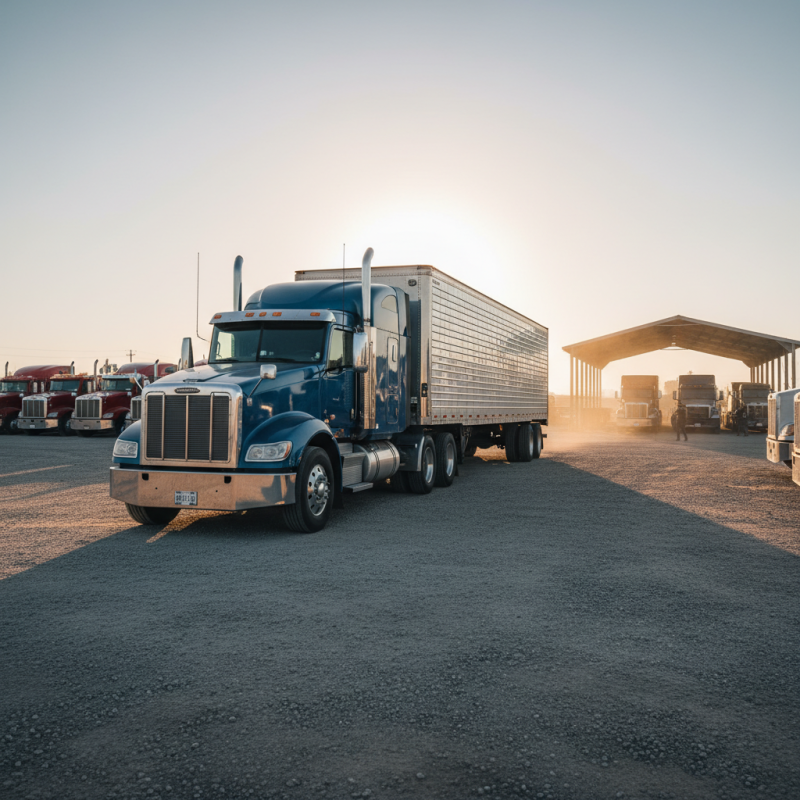
2026 How to Find the Best Truck and Trailer for Sale?
Finding the right truck and trailer for sale can be challenging. You need to consider various factors. Size, weight capacity, and engine power are crucial.
While searching, don’t rush. Take your time to compare options. Inspect the condition of each vehicle. Look for signs of wear and tear. These details can save you money later.
Consider your specific needs. Will you use it for personal or commercial purposes? Know your budget. Prices can vary widely. Sometimes, the deal seems great, but hidden costs may arise. Reflect on these aspects carefully before making a decision.
Understanding Your Needs: Assessing Truck and Trailer Requirements
When searching for the best truck and trailer, understanding your specific needs is crucial. Your choice should depend on the type of cargo you transport and the terrain you'll cover. Are you moving heavy machinery or light goods? Consider the load capacity carefully. Think about how often you'll use them. Frequent use calls for greater durability, while occasional trips might allow for lighter options.
Tip: Always assess the weight limits. Overloading can lead to costly damages and unsafe driving conditions.
Moreover, don’t forget about features and comfort. A truck with ergonomic controls can make long drives easier. Look for essential amenities like good seating and climate control. Pay attention to the trailer’s design as well. An enclosed trailer offers protection from the elements but may be heavier. Reflect on your usual routes; need for tight turns might influence your choice.
Tip: Test drive vehicles whenever possible. A vehicle that looks good on paper may feel wrong in practice.
Remember to consult with trusted sources and do your research. Personalizing your search based on your unique requirements can save you time and money.
Exploring Different Types of Trucks and Trailers Available for Sale
When exploring the different types of trucks and trailers available for sale, it’s crucial to understand the market trends. According to industry reports from 2022, the demand for lightweight trucks has grown significantly, with a 15% increase in sales. These trucks are easier to maneuver and offer better fuel efficiency. Buyers often overlook this aspect, focusing solely on size or payload capacity.
Trailers vary widely, each suited for specific tasks. For example, flatbed trailers are excellent for transporting large machinery. A significant number of buyers tend to underestimate the versatility of enclosed trailers, which protect cargo from weather conditions. Statistics reveal that enclosed trailers account for nearly 30% of total sales in the trailer market.
However, selecting the right vehicle is not just about numbers. Many buyers face difficulties due to lack of knowledge. They often forget to consider maintenance costs or the resale value. Prospective buyers should reflect on their unique needs and avoid the pitfall of impulse purchases. Understanding the specifics can help make informed decisions.
Evaluating Key Specifications: Payload Capacity, Size, and Engine Power
When searching for the best truck and trailer, evaluating key specifications is crucial. Payload capacity is one of the most significant factors. Data shows that many trucks can handle between 1,000 to 5,000 pounds. However, larger trailers often require a higher payload capacity. It’s essential to match your truck's capabilities with your load needs. Ignoring this can lead to performance issues.
Size is another important consideration. Most mid-sized trucks are about 19 to 22 feet long. This size works well for utility and daily use. However, if you're hauling large equipment, a larger trailer might be necessary. It can often exceed 30 feet. This may limit the places you can go. A truck's turning radius might create challenges in tight spaces.
Engine power also plays a vital role. Most trucks feature engines ranging from 300 to 450 horsepower. More power means better towing capacity. Yet, increased power can lead to higher fuel costs. You might face a trade-off between performance and operational expenses. Finding the right balance is essential for efficiency. Keep these specifications in mind as you assess your options.
2026 Best Truck and Trailer Specifications
Researching Reputable Dealers: Importance of Certifications and Reviews
When searching for the best truck and trailer, the dealer's reputation plays a crucial role. Look for certifications that indicate professionalism and reliability. Certifications from recognized organizations can signal trustworthiness. Reviews from previous customers provide valuable insights. A dealer with positive feedback is more likely to offer quality vehicles.
Pay attention to online platforms that allow reviews. They reveal the experiences of others. Sometimes, a few negative comments can highlight potential issues. These aren't always red flags, but they warrant reflection. Look for patterns in the feedback rather than isolated incidents. If multiple reviews mention poor service, it’s a sign to dig deeper.
Visit the dealership in person if possible. Seeing the vehicles firsthand can help you assess their condition. Don't hesitate to ask questions about their sourcing process. A reputable dealer should be transparent about where their trucks and trailers come from. Gathering information takes time, but it is essential for making informed decisions.
Analyzing Market Trends: Pricing Data and Resale Value Insights
The truck and trailer market is evolving rapidly. Understanding pricing trends is essential for buyers. Recent reports indicate that the average price of used commercial trucks has increased by about 15% over the past year. Factors like supply chain disruptions and rising material costs contribute to this uptick. Notably, cargo trailer prices have surged similarly, showing a 12% rise.
Resale value is another critical consideration for prospective buyers. Data suggests that trucks over five years old tend to depreciate slower. Many models retain nearly 60% of their value after five years. This statistic emphasizes how key features and maintenance impact longevity and price. Buyers should analyze market demand closely, as certain types of trailers are in higher demand and thus hold their value better.
However, not all purchases are wise. Buyers often overlook the condition and mileage of a vehicle. These factors significantly influence both purchase price and future resale potential. Investing in a well-maintained truck can save money in the long run, yet many settle for options based on initial costs alone. Therefore, thorough research and a focus on total ownership costs are crucial for making informed decisions.