Top 10 Mechanical Parts Suppliers You Should Know?
In today's industrial landscape, the importance of mechanical parts suppliers cannot be overstated. These suppliers play a critical role in ensuring smooth operations across various sectors. They provide essential components that keep machinery functional and efficient. Choosing the right supplier can be a daunting task. Quality, reliability, and service must be considered.
Many mechanical parts suppliers exist, each offering a unique blend of products. Some specialize in specific types of parts. Others provide a broader range of components. Navigating this variety can sometimes lead to confusion. It's not always easy to find a trustworthy partner. There are tales of promised delivery times that were not met. Quality inconsistencies can pose risks as well.
Despite challenges, the right supplier can elevate your projects. They can support innovation and productivity. This article explores the top 10 mechanical parts suppliers you should know. Each of these companies has earned a reputation in the industry. They exemplify the qualities necessary for success in a competitive market. By understanding their offerings and strengths, businesses can make informed decisions.
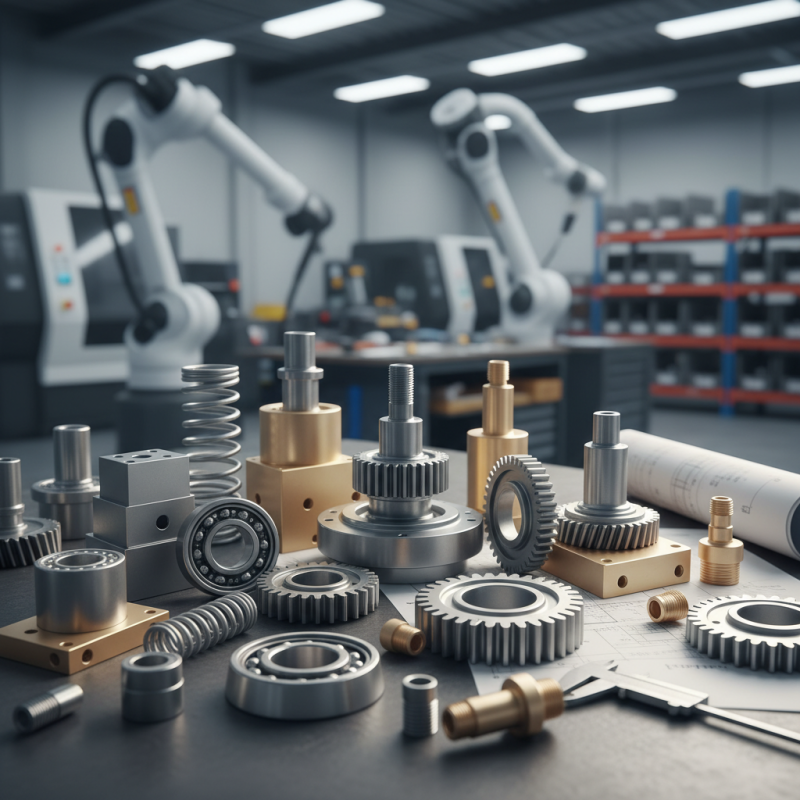
Overview of the Mechanical Parts Supplier Industry
The mechanical parts supplier industry plays a vital role in global manufacturing. In 2023, the market size was valued at over $400 billion. This number indicates significant demand across various sectors, including automotive, aerospace, and industrial machinery. The growth rate has been around 4% annually, driven by technological advancements and increasing automation.
Many suppliers face challenges in meeting the rising demand. Supply chain disruptions and raw material shortages have created hurdles. According to a recent industry report, 70% of suppliers struggled with delays. This situation highlights an urgent need for suppliers to adapt and innovate. Improved inventory management and diversification of supply sources are essential strategies for sustainability and growth.
A key trend is the shift towards digitalization. Many suppliers are adopting advanced technologies like IoT and AI to enhance efficiency. However, the transition is not always smooth. Approximately 60% of suppliers reported difficulties integrating these technologies. Inspection and quality control processes remain areas for improvement. It’s clear that while the industry is growing, there are significant challenges to address.
Criteria for Selecting Top Mechanical Parts Suppliers
When selecting mechanical parts suppliers, consider several key criteria. Reliability is crucial. A supplier's track record can reveal much about their performance. Look for prompt delivery times and quality assurance processes. These factors often indicate a commitment to customer satisfaction.
Another important aspect is the range of products offered. A supplier should provide various parts. This variety ensures that you can find what you need without searching through numerous vendors. It can save time and reduce complexity in your supply chain.
Pricing is also a significant factor, but it should not be the only consideration. A low price might come at the cost of quality. Be aware that the cheapest option isn't always the best deal. Supplier support services can make a difference, too. Responsive communication can ease any supply chain disruptions. Reflect on these details. They can guide you in making informed decisions for your mechanical needs.
Top 10 Mechanical Parts Suppliers - Performance Metrics
Profile of the Leading Mechanical Parts Suppliers
In the mechanical parts supply industry, recognizing key suppliers is essential for businesses. Reports indicate this sector is expected to grow by 5.5% annually through 2028. Many suppliers focus on quality, efficiency, and sustainability. Their ability to adapt to changing technologies defines their market presence.
Choosing the right supplier can be challenging. Often, companies overlook smaller suppliers who can provide specialized parts at lower costs. Industry data shows that 30% of businesses fail to evaluate their suppliers' full capabilities. This oversight can limit options and increase risks. Always consider alternative suppliers.
Tip: Assess your needs carefully. Conduct periodic reviews of supplier performance. Engaging with multiple suppliers can lead to better prices and innovation. Don't settle for the first option. Explore different partnerships. Evaluate not just cost but also reliability and support.
Comparative Analysis of Supplier Services and Products
When considering mechanical parts suppliers, it's crucial to analyze their services and products. Various suppliers offer different strengths, catering to specific industries. Some excel in custom parts, while others focus on mass production. Understanding these differences helps businesses choose the right partner for their needs.
Quality assurance is another vital factor. Some suppliers implement stringent quality checks, ensuring durability and reliability. However, this may result in longer lead times and potentially higher costs. In contrast, others may prioritize speed, leading to concerns about product longevity. Businesses must weigh these trade-offs carefully.
Additionally, customer support can vary significantly among suppliers. Prompt and effective communication is essential for resolving issues. Yet, not all suppliers maintain consistent service levels. It's beneficial to evaluate feedback and reviews, as they can reveal patterns of support or risks to consider. Engaging with potential suppliers before making a decision can provide insight into their service quality.
Future Trends in Mechanical Parts Supply Chain Management
The future of mechanical parts supply chain management is evolving rapidly. Companies must adapt to new technologies. Digital transformation plays a crucial role here. Businesses that embrace automation can improve efficiency and reduce costs. However, many organizations face challenges. Resistance to change and outdated processes can hinder progress.
Implementing a flexible supply chain is essential. This can help companies respond quickly to market fluctuations. Real-time data analytics is a key tool. It enables better decision-making and improves forecasting accuracy. Yet, some companies struggle to leverage this data effectively. Old systems often prevent innovation.
Tips: Invest in employee training. This can boost morale and reduce resistance. Establish clear communication channels. It fosters collaboration and transparency among teams. Regularly assess your supply chain strategy for areas of improvement. Embrace change and learn from feedback. Agile systems will better meet future demands.